
How to insulate windows for winter: film, seals, adjustment — what actually works
- Why cold comes from a PVC window in winter
- How to find exactly where the draught comes from
- How to insulate windows for winter: what works and what doesn't
- Replacing or renewing the seal — works
- Adjusting the sash pressure — if the fit has loosened
- Heat-shrink (energy-saving) film — temporary, for old windows
- Insulating the reveals and installation joint — works
- What the internet suggests but does little
- When the problem is more serious: the glazing unit or the installation
- Compare company offers on OKNA.ua
Why cold comes from a PVC window in winter
A metal-plastic window is airtight as long as all of its "layers of protection" are intact. If you feel a draught in winter, the cause is almost always one of four points:
- The seal. The rubber contour around the perimeter of the sash and frame dries out, hardens and cracks over time — and stops pressing tightly. This is the most common cause of a draught.
- Sash pressure (hardware). If the sash fits loosely, a gap remains between it and the frame. On many windows the pressure is adjustable and can be tightened.
- The installation joint and reveals. When the cold comes not from the sash but around the perimeter of the frame, the mounting foam has probably deteriorated or the reveals were done poorly — "cold bridges" appear.
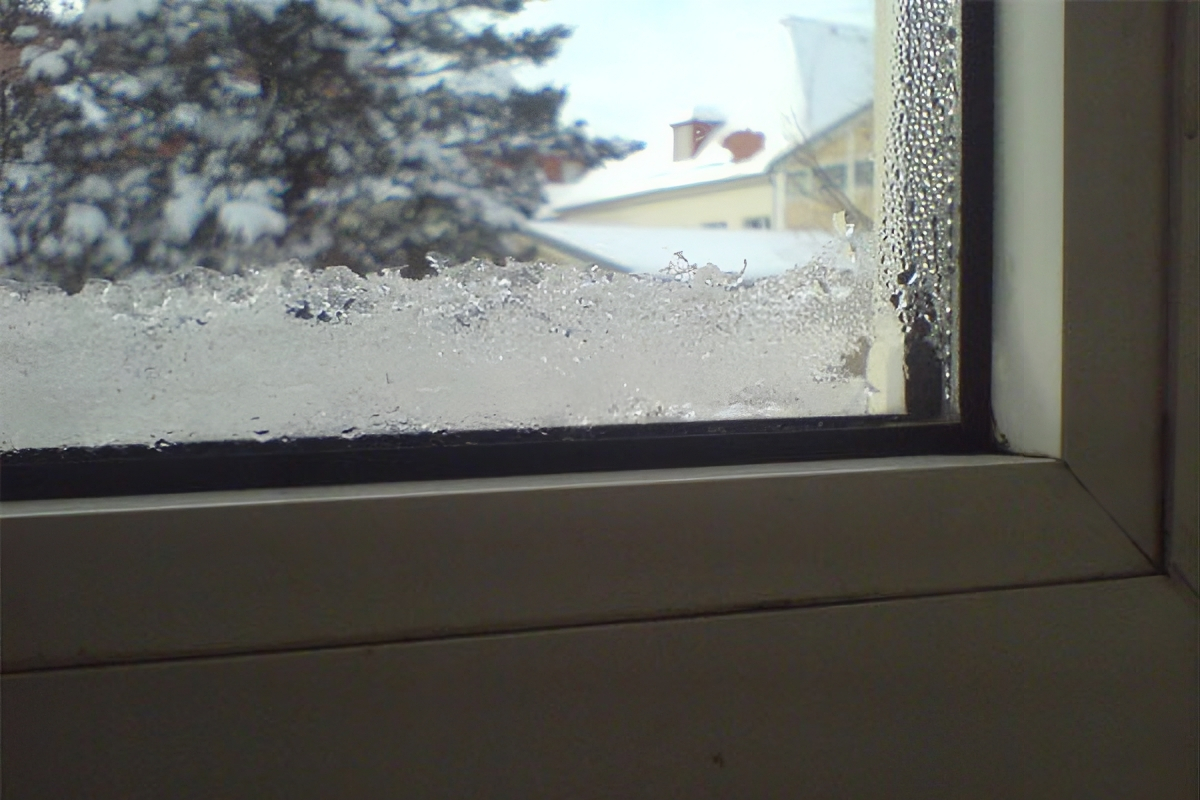
- The glazing unit. A single-chamber or depressurized glazing unit is cold in itself: the glass mists up and radiates cool air even without a draught.
How to find exactly where the draught comes from
Before insulating anything, find the source of the draught — the method depends on it. Run a lighter flame or a thin sheet of paper around the perimeter of the closed sash and the contact points: where the flame leans and the paper flutters is where the cold air gets in. If it draughts along the joint between the sash and the frame, the issue is the seal or the pressure. If it's along the edge of the frame at the wall, it's the installation joint and the reveals. And if condensation or misting appears inside the glazing unit, between the panes, the unit itself has depressurized, and no home method will help here.
How to insulate windows for winter: what works and what doesn't
There are plenty of ways to "seal up windows" online, but their effect varies. Let's go through them honestly — from the most effective to the dubious.
Replacing or renewing the seal — works
If the rubber has hardened or cracked, the most effective step is to replace the seal. A new contour restores the tight fit and the draught disappears. It is important to choose the seal that matches your system (REHAU, VEKA, WDS, KBE and others) — the groove for the gasket differs between them. Silicone lubricant can temporarily extend the life of the old rubber: it restores elasticity, but that is a postponement, not a replacement. The common seal types are EPDM, TPE and silicone.
Adjusting the sash pressure — if the fit has loosened
If the sash fits loosely, a gap remains between it and the frame and the cold comes in there. The pressure is set by the cams (eccentrics) on the edge of the sash: a technician (or, if you're confident, an attentive owner) carefully tightens them to restore a tight fit and remove the draught. This is a one-time repair-calibration, not a seasonal procedure: the cam should stay in its normal position all year round, and excessive pressure only wears the seal out faster. By the way, the advice to "switch" windows into a winter and summer mode twice a year is a myth: hardware makers never built in any such seasonal function. If it still draughts after tightening, the seal has most likely worn out and needs replacing.
Heat-shrink (energy-saving) film — temporary, for old windows
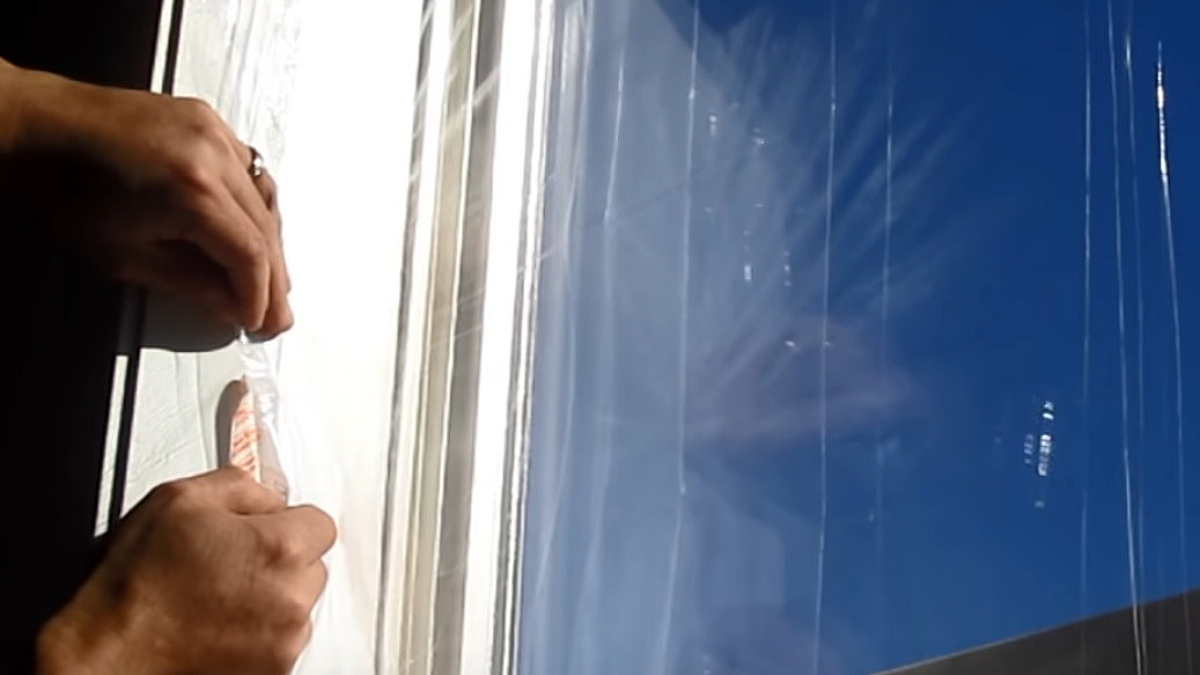
Clear film is stretched over the frame and heated with a hair dryer — it creates an extra air gap. It really is a little warmer, but the method mostly makes sense for old wooden windows or single-chamber glazing units. On a modern double-chamber energy-saving unit the gain is minimal, the film spoils the look and lasts one season. As a budget measure for one winter on a cold window it is acceptable; as a solution to the problem, no.
Insulating the reveals and installation joint — works
If the cold enters around the perimeter of the frame, the sash and seal have nothing to do with it — you need to insulate the installation joint and the reveals. Outside, the joint is protected from moisture and UV; inside, insulated reveals are made (for example, from a sandwich panel). This removes the "cold bridges," the misting and the mold in the corners of the opening. Home half-measures like foam in a gap give a short-lived effect; it is more reliable to finish the reveals neatly.
What the internet suggests but does little
- Sealing with tape, paper or cotton wool. It temporarily reduces the draught but spoils the look, leaves marks on the profile and doesn't fix the cause — in spring you'll have to peel it all off.
- "Insulating" with a candle or paraffin. It has no effect on the window's airtightness — a waste of time.
- "It draughts — replace the whole window." The most common myth. In most cases it is enough to replace the seal, adjust the pressure or finish the reveals — and only rarely is the problem really the window as a whole.
When the problem is more serious: the glazing unit or the installation
Some causes can't be solved with home methods — here you need a technician:
- Condensation inside the glazing unit. Moisture between the panes means the unit has depressurized. It cannot be repaired — the glazing unit needs replacing with a new one.
- A draught along the whole perimeter of the frame. A sign of poor installation or a failed joint — it needs a repair of the installation seam, not cosmetics.
- A cold single-chamber glazing unit. In a living room it is worth replacing it with an energy-saving double-chamber unit with low-e (i-)glass — then the glass doesn't mist or radiate cold.
A window's airtightness is standardized: under DSTU EN 12207 (harmonized with EN 12207:2016), windows are graded into air permeability classes from 1 to 4, where 4 is the most airtight and 1 is the most "draughty." A properly installed window with a new seal should be airtight; if the sash lets air through, the cause is usually the seal, the pressure or the installation — not the profile as such.
Compare company offers on OKNA.ua
If your window needs a new seal, hardware adjustment, reveal repair or a glazing-unit replacement, you don't have to search for a technician blindly. OKNA.ua is a platform: here you compare offers from vetted window-repair companies and technicians from all over Ukraine by price, rating and lead time, choose a contractor and leave a request. The measurements, the estimate and the work itself are done by the company you choose, and it provides a warranty. Describe the problem (draughts, mists up, closes poorly) and you'll be offered a solution — from a simple adjustment to a full window repair.