Adjusting PVC windows: when it's needed and what you can do yourself
- Signs that a window needs adjusting
- What you can do yourself
- Minor maintenance
- Sash pressure
- Do windows need switching to a winter and summer mode?
- Why you shouldn't postpone adjustment
- When it's better to call a technician
- What a technician does during adjustment
- How much window adjustment costs
- Questions and answers
- Can I adjust a window myself?
- There's a draught from the window — is it always adjustment?
- The window won't close — do I need to replace it?
- Do windows need switching to a winter and summer mode?
- How often should windows be adjusted?
Signs that a window needs adjusting
The following signs point to the need for adjustment:
- A draught from under the sash. You feel a draught, and a match flame near the rebate leans over — the sash is not pressed tightly against the frame.
- Condensation and misting along the edges. In winter, moisture appears on the glass or reveals and mold in the corners — often because of weak pressure and cold bridges.
- The window opens stiffly or won't close. The handle moves with effort and the sash catches on the frame.
- A sagging sash. Under its own weight the sash has dropped and catches the frame at the bottom or side.
- The handle sticks or spins freely. The mechanism under the handle has come out of alignment.
- Creaking and street noise. The moving parts need lubrication and the pressure needs tightening.
What you can do yourself
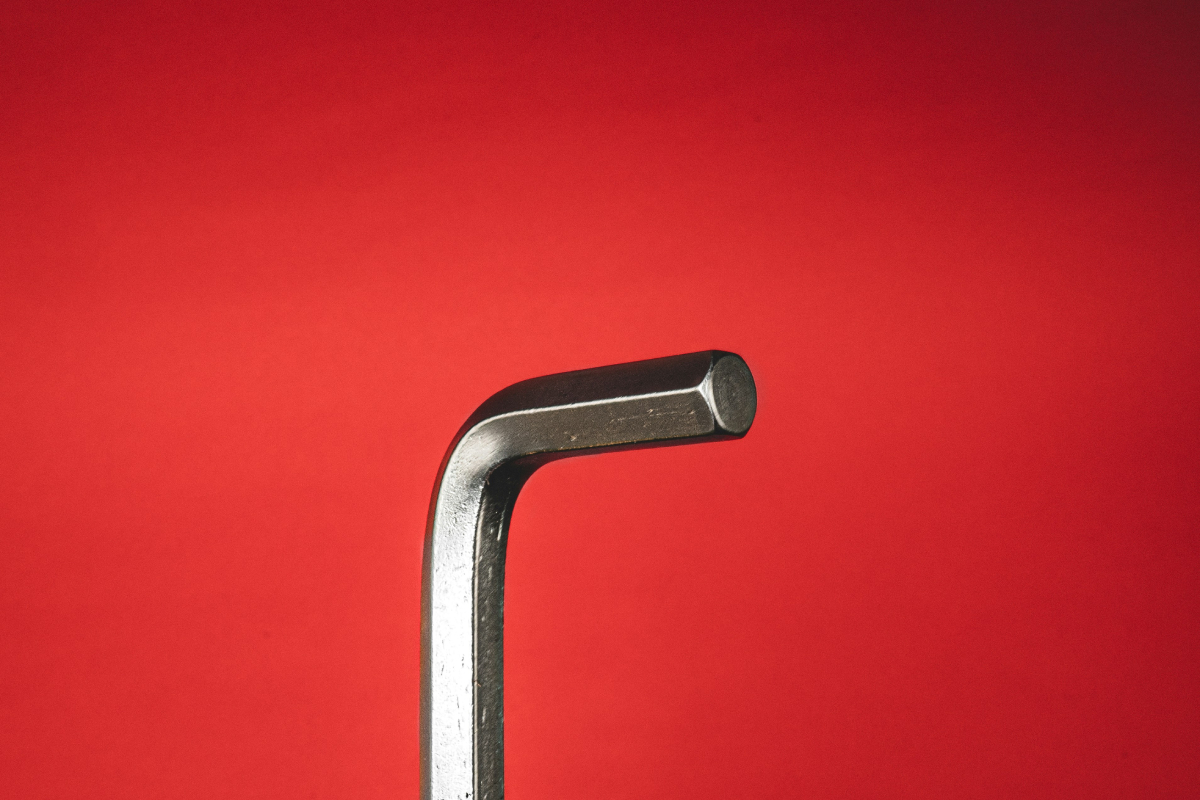
Without any special skills the owner can carry out a few simple, safe steps — you will usually need a 4 mm hex (Allen) key, a screwdriver and some machine oil.
Minor maintenance
- Lubricating the hardware. Once a year the moving parts (hinges, cams, locking mechanisms) are lubricated — the window moves more smoothly and lasts longer.
- Cleaning the seal. Wash the gasket and treat it with a silicone product so it doesn't dry out.
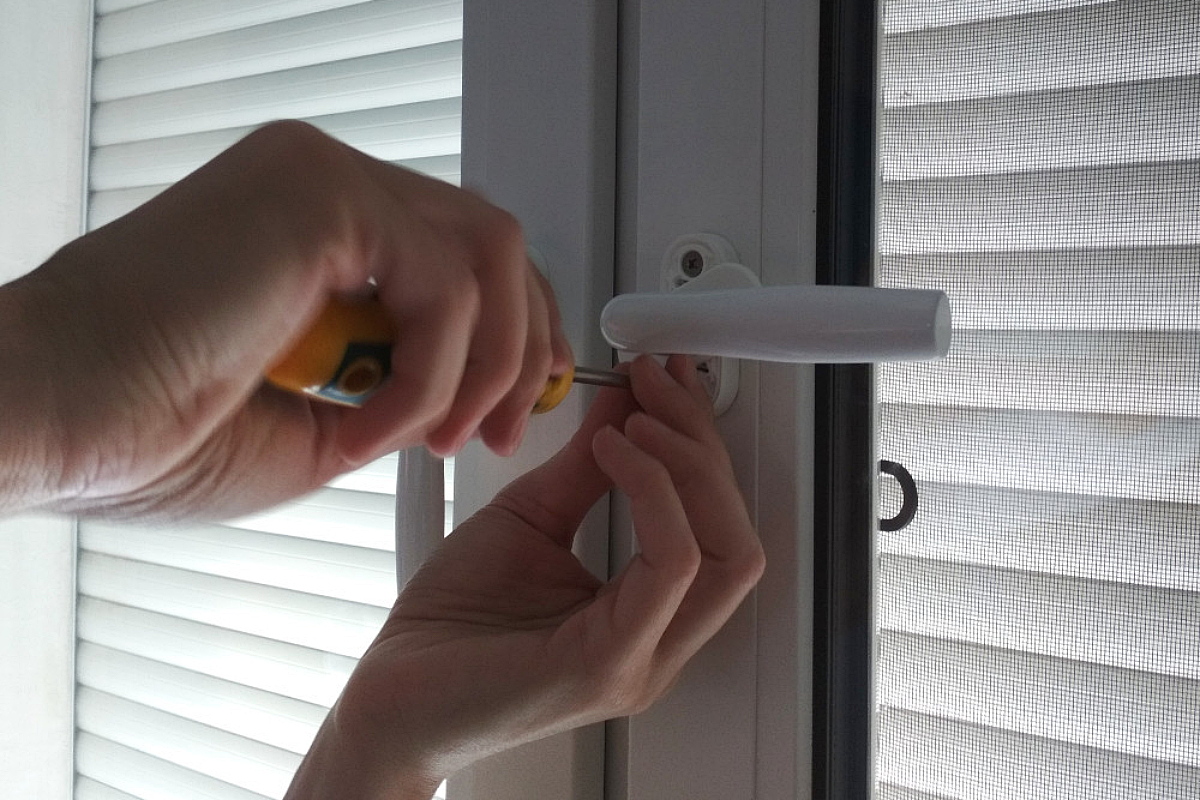
- Tightening the handle. If the handle has worked loose, turn the decorative cover beneath it and tighten the two screws.
Sash pressure
The force with which the sash presses against the seal is set by the cams (eccentrics) — small parts on the edge of the sash on the handle side. Normally they sit in a middle position that provides a tight fit all year round. If a slight draught has appeared, the pressure can be increased carefully — but only to restore the correct fit, not "to the maximum": excessive pressure just wears the seal out faster. If you are not confident, or a draught remains even after adjustment, it is better to leave the job to a technician.
Do windows need switching to a winter and summer mode?
No — this is a widespread myth. Almost everyone has heard the advice to "switch" the hardware into a winter and summer mode twice a year by turning the cams, but the leading hardware makers (MACO, Siegenia, Winkhaus and others) never built in any such seasonal function. The cam should sit in its normal position, which gives optimal pressure regardless of the season. The option to adjust the pressure exists not for the calendar but to fix a problem — for example, to restore a tight fit when the seal has sagged or worn over time and a draught has started. It is a one-time calibration during a repair, not an annual ritual: constantly turning the cams and over-tightening the pressure only wears the gasket out faster.
Why you shouldn't postpone adjustment
A small fault grows into a bigger repair over time. A constant draught means heat loss and higher heating bills, while condensation by the window risks mold on the reveals. If the sash sags, it rubs against the frame more and more and wears out the hardware and the seal. Timely adjustment costs less than replacing worn parts and extends the window's service life. That is why the pressure and travel of the sash are worth checking at least once a year — usually before the start of the heating season.
When it's better to call a technician
Some jobs require experience and tools — without them it is easy to throw off the sash geometry or damage the mechanism. Call a technician if:
- The sash has sagged — the hinges need vertical and horizontal adjustment to lift and realign the sash.
- The hardware is broken or worn — a cracked cam, a failed tilt-and-turn scissor mechanism, a broken handle.
- Adjusting the pressure doesn't help — it still draughts after adjustment: the seal has probably dried out and needs replacing.
- The window is under warranty — do-it-yourself work may void the warranty; it is better to call the service.
- You can't identify the cause — the technician will diagnose and fix the fault on the spot.
What a technician does during adjustment
Adjustment is the precise tuning of the hardware around the perimeter of the sash. Usually the technician:
- sets the sash pressure by turning the cams (eccentrics);
- corrects sagging by adjusting the lower and upper hinges;
- tunes the opening mechanism so the handle moves easily;
- lubricates the moving parts;
- replaces worn parts if needed — the seal, the handle, a piece of hardware.
Modern windows come with hardware from various brands — MACO, Roto, Siegenia, AXOR and others; the principle of adjustment is similar, but the position and type of the cams differ.
How much window adjustment costs
There is no single price: the cost depends on the number of windows and sashes, the type and brand of hardware, the nature of the fault (a simple pressure adjustment or a part replacement) and the technician's call-out. A simple pressure adjustment costs the least, while restoring a sagging sash or replacing a hardware unit costs more. The technician gives an exact price after diagnosis. You can compare offers from technicians in your city and choose by price and lead time in the company catalog on OKNA.ua.
Questions and answers
Can I adjust a window myself?
Simple maintenance — lubricating the hardware, cleaning the seal, tightening a loose handle — an attentive owner can do alone. A light pressure adjustment can be made carefully with the cams, turning them to the correct (not the maximum) fit. But diagnosing a sag, adjusting the hinges and repairing the hardware are better left to a technician so you don't throw off the sash geometry.
There's a draught from the window — is it always adjustment?
Most often yes: a draught means weak sash pressure, which is fixed by turning the cams. But if the seal has dried out and hardened, adjustment alone is not enough — the gasket needs replacing.
The window won't close — do I need to replace it?
Almost never. Usually it is a sagging sash or misaligned hardware — fixed by adjusting the hinges and the mechanism. The whole window is only replaced when the profile itself is damaged.
Do windows need switching to a winter and summer mode?
No, this is a myth: there is no "seasonal" switching of the hardware, and manufacturers never designed it. The cams are adjusted only to remove a draught or compensate for a worn seal, not by the calendar — otherwise the gasket wears out faster.
How often should windows be adjusted?
There is no strict schedule, and no "seasonal" switching is needed. It is enough to check the pressure and travel of the sash once a year and lubricate the hardware — conveniently before the heating season. Unscheduled adjustment is done as soon as a draught, sagging or stiff opening appears.
Can't manage on your own or need a technician? Compare offers from window-repair companies in your city on OKNA.ua and leave a request — the company you choose will run the diagnosis, quote a price and adjust the window.