When windows can be considered barrier-free: Ukrainian and European requirements
Barrier-free policy in Ukraine is mostly focused on the accessibility of buildings, infrastructure, entrances and circulation routes. Windows in themselves do not create a physical obstacle to movement, so there is currently no separate category of “barrier-free window” in regulatory documents.
At the same time, the concept of universal design makes it possible to design windows so that everyone can use them conveniently, regardless of physical ability. The main requirements for the accessibility and ease of use of windows are set out in DSTU ISO 21542:2025 “Buildings and civil engineering works. Accessibility and usability of the built environment”. However, this standard also does not introduce a separate concept of an “accessible window”.
In general terms, accessible (barrier-free) windows are glazed systems that any person can interact with easily and safely, including wheelchair users, older people, and people with impaired mobility or vision.
Ukrainian requirements for accessible windows
DSTU ISO 21542:2025 sets out requirements for windows from the perspective of use by people with additional needs. The standard is a verbatim translation of the international ISO 21542:2021 and contains no national deviations.
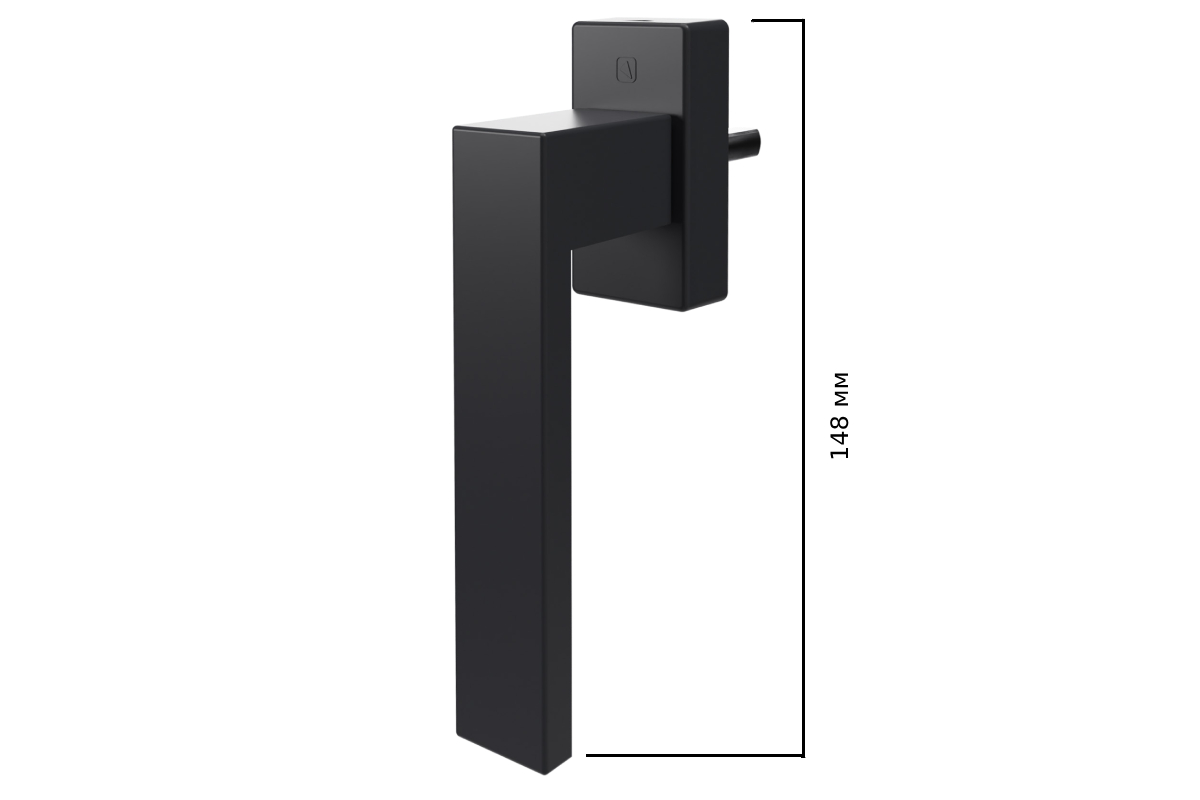
- Ease of using hardware and control systems
- ● The window must be easy to open and close with one hand.
- ● If the sash opens too easily, child safety devices to prevent accidental opening are mandatory.
- ● The installation height of the window handle, blind controls or switches: 800–1,100 mm above floor level.
- ● Window handle length: at least 80 mm.
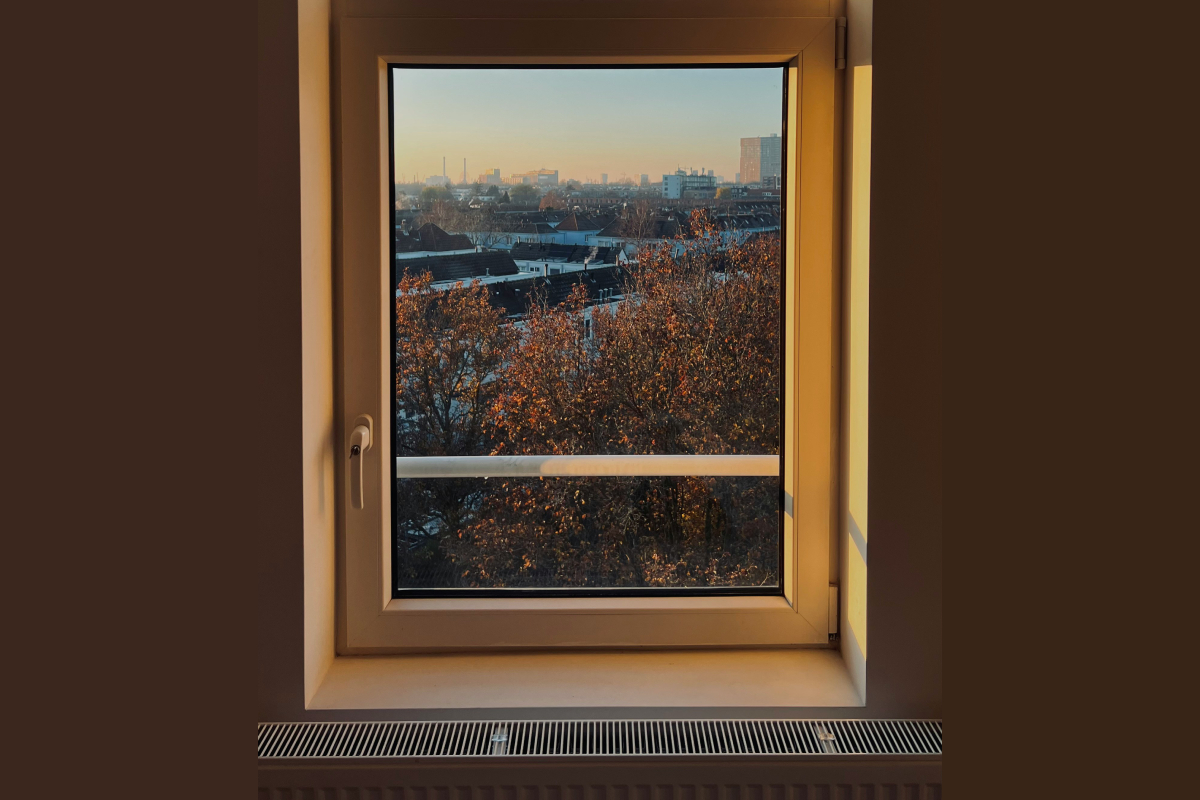
- Height of the lower edge of the glazing
- ● To provide a view for wheelchair users, the lower edge of the glazed area must be no higher than 1,100 mm.
- ● Low-level windows should be fitted with guarding or opening restrictors to prevent falls.
- Visual marking of large glass planes
- ● Any large glazed surfaces must have contrasting markings that are visible from close and medium distance to avoid collisions.
- ● Marking zones:
850–1,000 mm above floor level;
1,400–1,600 mm above floor level. - ● The contrast must remain visible in any lighting condition, natural or artificial. People with visual impairments should perceive the glazing as part of a window or door, rather than as “open space”.
- ● Difference in LRV (light reflectance value) between the marking and the background:
recommended ≈ 30 points,
minimum acceptable ≈ 20 points. - ● Glare, reflections and differences in brightness must be taken into account.
European requirements for accessible windows
In Europe, requirements for accessible windows are set out in the pan-European standard EN 17210:2021. It states that any elements people use within a building must meet accessibility and usability requirements.
Main requirements:
- ● Handles, latches and other operating controls must be readily accessible to wheelchair users.
- ● The force required to open/close a window should be minimal. In the market, a resistance of up to 30 N is commonly used as a benchmark (approximately the weight of a 3 kg object).
- ● The optimum height for window handles is 850–1,100 mm. If the window is positioned higher, extended handles or automation are required.
- ● The lower edge of the viewing zone should be no higher than 700–800 mm to provide a view for wheelchair users.
- ● The use of automatic opening, motorised ventilation and remote control is recommended where manual operation is difficult.
- ● Large glazed areas should be marked with contrasting indicators in two zones:
850–1,100 mm,
1,400–1,600 mm.
The marking must be clearly visible in any lighting and from both sides of the glass.
Comparison of window accessibility requirements under ISO 21542:2021 and EN 17210:2021
| ISO 21542:2021 (ДСТУ ISO 21542:2025) | EN 17210:2021 | |
|---|---|---|
| Lower edge of glazing | ||
| Height of the lower edge of the glazed area | ≤ 1,100 mm | 700–800 mm |
| Additional requirements | Guarding/opening restrictors for low-level windows | At least one window with this parameter in the room |
| Ease and type of opening | ||
| Ease of operation | Opening/closing with one hand | Opening/closing with one hand + requirement for alternative means (automation) where controls are out of reach |
| Safety | Safety devices where opening is very easy | — |
| Handle height | ||
| Installation height | 800–1,100 mm | 850–1,100 mm |
| Additional conditions | Handle length ≥ 80 mm | Alternative access where positioned above the reach zone |
| Glass marking | ||
| Marking zones | 850–1,000 mm and 1,400–1,600 mm | 850–1,000 mm and 1,400–1,600 mm |
| Characteristics | Contrast, visibility, LRV guidance | Durability of marking, visibility from both sides |