This issue is addressed in the study “Analysis of housing reconstruction challenges”, prepared by the Fedor Shpyg Charitable Foundation together with the research company Smart Data Service. The research was conducted from October 2025 to January 2026.
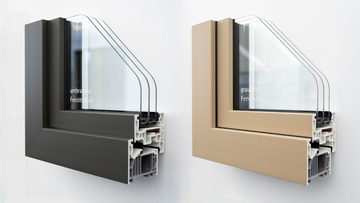
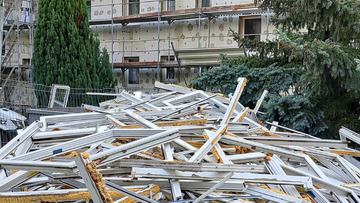
According to the study, windows are the most widespread element of housing restoration after shelling. They are replaced in the first weeks or months after damage, often even before compensation programmes are launched, using private funds or with the support of community and charitable organisations.
At the same time, windows most frequently become a source of conflict between support programmes:
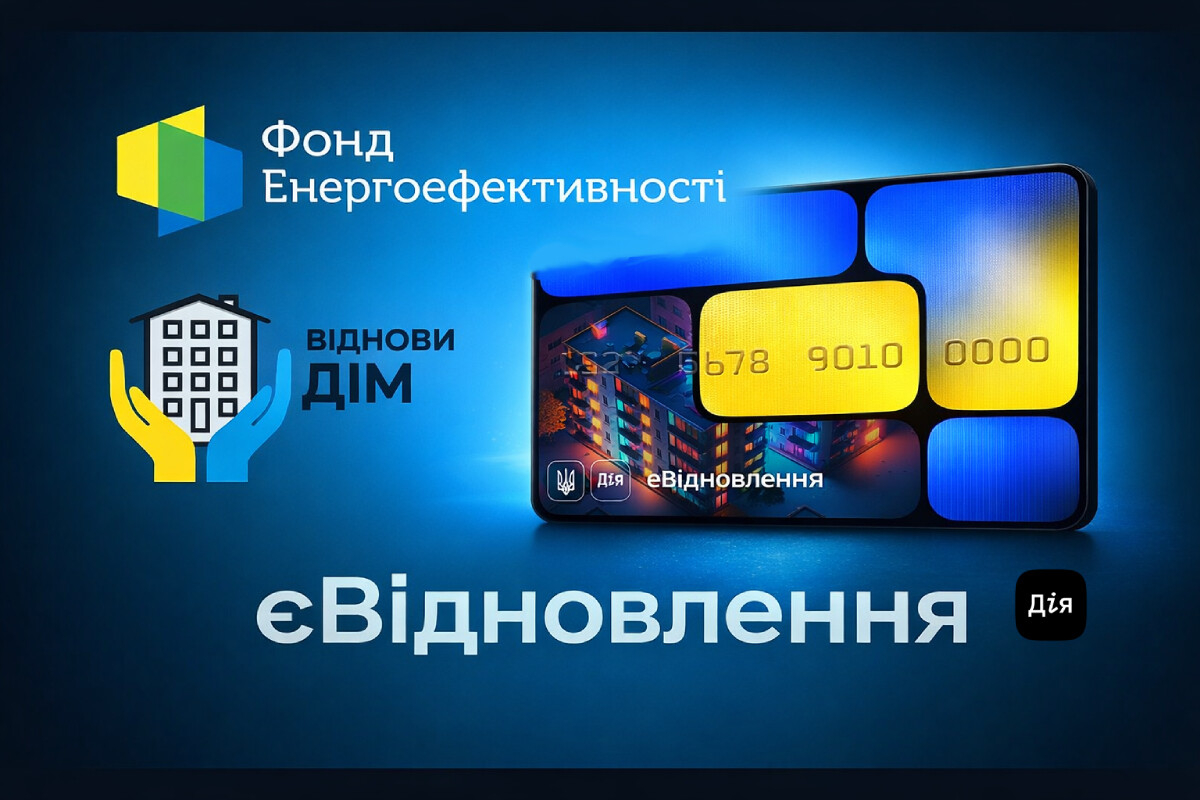
- residents of individual apartments receive compensation for windows through eVidnovlennia;
- homeowners’ associations apply for window replacement in common areas or across the entire building through VidnovyDIM.
As a result, a situation arises that the report defines as cross-financing of the same restoration element.
Researchers note that cross-financing creates several risks at once:
- delays in project approval;
- additional inspections by the Energy Efficiency Fund;
- requirements to prove that funding is not duplicated;
- in critical cases, the risk of costs being deemed ineligible.
For homeowners’ associations, this means delays in reconstruction or even a halt to works.
A separate problem arises in cases where residents have already replaced windows at their own expense before the commission’s inspection. In such situations:
- the damage may not be recorded in the inspection report;
- the windows are not included in the list of compensated works;
- the homeowners’ association loses the opportunity to include these elements in a VidnovyDIM project.
The report emphasises that such practices demotivate residents from acting proactively and create additional tension between co-owners of a building.
Experts involved in the study stress that window replacement during reconstruction is less a financial issue than an institutional one. Funds for window replacement exist, but access to them is complicated by procedures, and mistakes at the stage of programme coordination can be costly for all participants in the process. For example, one limitation of the eVidnovlennia programme is that compensation often does not cover market value (30–60% of the actual need). Accordingly, it is difficult to speak about installing energy-efficient windows or adhering to the Build Back Better principle — rebuilding better than before.