In 2025, tilt-and-turn windows celebrated 90 years since their introduction. The tilt-and-turn mechanism appeared in 1935, when German engineer Wilhelm Frank patented hardware that allowed a single sash to open in two modes – turn and tilt. The first mass-produced product was named Roto N and laid the foundation for modern windows.
After the Second World War, the mechanism developed rapidly. In 1954, Siegenia brought to market hardware that could be installed for both right- and left-hand opening. Over time, designs became more convenient, durable and safer.
An important milestone was the introduction of mushroom-shaped locking cams. They fit tightly into corresponding frame elements and make it more difficult to force the sash open. This significantly increased the burglary resistance of windows.
In Europe, tilt-and-turn windows quickly became the standard for residential buildings. In Ukraine, widespread familiarity with such systems began in the 1990s along with the development of the PVC window market. Initially, it was an expensive product that underlined status, but over time it became more affordable.
Between 2000 and 2020, tilt-and-turn windows became established as the basic format. Manufacturers improved hardware, glazing and profiles, while consumers gained better thermal insulation, convenient ventilation and enhanced security.
Over 90 years, tilt-and-turn hardware has retained its basic operating principle while adapting to new requirements for comfort, thermal insulation and safety.

Photo: OKNA.ua
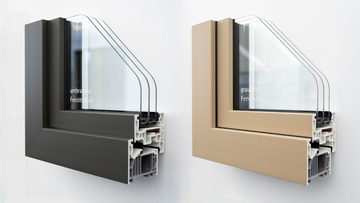
A modern tilt-and-turn window must meet a number of characteristics (thermal and acoustic insulation, airtightness, strength, etc.), confirmed by testing and certification
Tilt-and-turn windows mark their 90th anniversary in 2025
ID no: 24063



Sep 22, 2026



Sep 15, 2026