Glass manufacturers Saint-Gobain and AGC Group are expanding their joint project to electrify float glass production. This was announced by the press offices of both companies. The new hybrid electric furnace will be installed at Saint-Gobain’s plant in Avilés, Spain.
The furnace will replace the plant’s existing equipment. Construction will begin in January 2027. Production using the new furnace will resume in the second half of 2027.
The project is called FurHy. The companies are implementing it as part of the technology partnership between Saint-Gobain and AGC Glass Europe. The partnership has been in place since 2023, when the companies launched the VOLTA pilot project — a smaller electric furnace in the Czech Republic. The pilot installation demonstrated the potential of electrification to reduce the carbon footprint of float glass production. The VOLTA pilot furnace recently passed the milestone of one year of continuous operation.
The new furnace in Avilés will achieve a 75% electrification rate for the melting process. It will be the largest electric furnace ever built for float glass production worldwide. The furnace will operate using low-carbon electricity. Saint-Gobain has already secured renewable energy supply agreements in Spain for the project.
Once operational, the project is expected to:
* reduce CO₂ emissions by approximately 80,000 tonnes of CO₂ equivalent per year — around 50% compared with a conventional gas-fired furnace;
* save approximately 265 GWh of natural gas per year — around 80% compared with a standard gas-fired furnace;
* enable the production of low-carbon float glass in accordance with leading international standards;
* meet growing demand for low-carbon materials for residential and non-residential construction and infrastructure projects in the region.
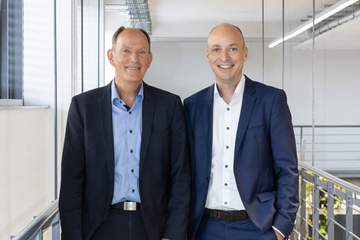
Nicolas Miègeville, Chief Technology Officer at Saint-Gobain, commented on the project: “Our technology partnership with AGC is entering a new phase with the deployment of the world’s first large-scale hybrid electric furnace for float glass production. This breakthrough demonstrates our ability to turn advanced technologies into an industrial reality and strengthens Saint-Gobain’s position as a partner for customers seeking low-carbon materials. Following the successful introduction of our ORAÉ® low-carbon glass, this project represents an important step in decarbonising float glass production and supports Saint-Gobain’s pathway towards achieving net-zero carbon emissions by 2050. The European Innovation Fund has played a key role in making this project possible.”
Davide Cappellino, President of AGC’s Architectural Glass Europe & Americas division, added: “For a sustainable world, AGC develops products that support sustainability and reduces the environmental impact of its manufacturing processes. As part of its progress towards decarbonisation, AGC launched its first range of low-carbon glass at the end of 2022. The development of a hybrid furnace on AGC’s medium-sized patterned glass production line in Barevka, Czech Republic, marked another important milestone on our trajectory towards zero emissions and carbon neutrality by 2050. This new step involving the deployment of a large-scale hybrid furnace for float glass production, which we are undertaking together with Saint-Gobain at its plant in Avilés, Spain, represents significant progress in the electrification of float glass melting.”
The project is funded by the Innovation Fund of the European Emissions Trading System (ETS).
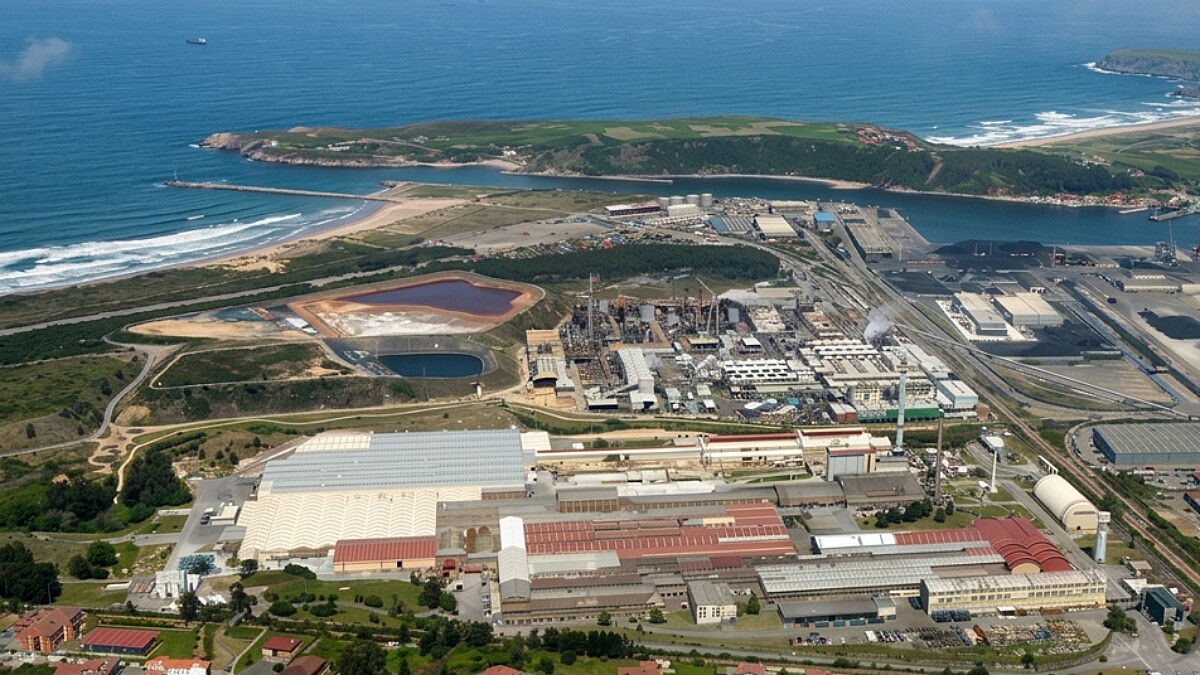
Photo: Saint-Gobain Glass
Saint-Gobain plant in Avilés, Spain
Saint-Gobain and AGC to deploy next hybrid electric furnace for float glass in Spain
ID no: 24410


Sep 22, 2026

Sep 15, 2026