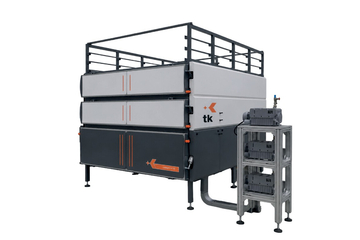
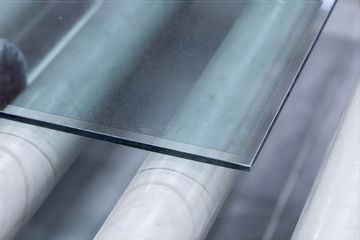
Austria’s LiSEC will present the LSP-A system at glasstec 2026, combining laser glass engraving and coating removal in a single system. LiSEC announced the news.
The LSP-A can operate with two different laser sources. The CO₂ laser processes the glass surface directly. It removes a small amount of material and, depending on the settings, frosts or engraves the surface.
One application of this process is the production of bird-friendly glass. The laser creates a predefined dot pattern on the surface, making the glass more visible to birds and helping to prevent collisions. The technology can also be used to apply lettering, logos and images.
Another application is anti-slip glass. The LSP-A creates dense dot structures on the surface. According to LiSEC, this treatment enables tested and certified slip resistance in classes R9 and R10.
The second laser source is a near-infrared (NIR) laser. It removes the functional coating without affecting the glass itself.
LiSEC is targeting this process at applications where mechanical processing has technological limitations. Examples cited by the company include glass that is transparent to mobile communication signals and electrically heated glass. The laser creates very fine grid structures in the coating. According to the company, these are several tens of micrometres wide, while the process removes only a few per cent of the coating. This allows the coating to retain its functionality.
The NIR laser can also locally and completely remove mirror coatings. In doing so, it does not frost the glass underneath. Combining this operation with engraving makes it possible to produce mirrors with backlighting or integrated touch functions.
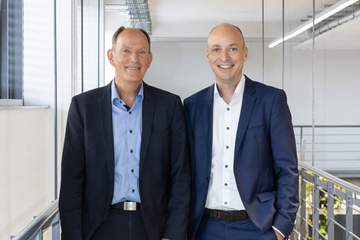
“The basic idea behind the LSP-A is to combine two different laser sources in a single system and provide flexibility in how they are used. The special feature of our machine is that both laser processes are integrated into one system and operate without additives or consumables,” explained Elias Leichtfried of LiSEC.
The LSP-A can be installed at various stages of the production process. According to LiSEC, laser processing can be carried out both before and after thermal toughening without affecting the strength of the glass. The company says it has confirmed this through testing.
The system can be integrated into an automated production line, including a bypass section, or used as a stand-alone machine. The LSP-A also supports batch processing of multiple glass sheets.
The equipment has a modular design and is available in various sizes and configurations. LiSEC positions it for processing architectural and interior glass, including glass for façades, partitions, decorative elements, bird-friendly glass and specialised functional glazing.
OKNA.ua previously reported on another approach to laser processing of bird-friendly glass. Germany’s Hegla boraident introduced a mobile laser system that can be used to apply protective patterns to glass after windows have been installed.
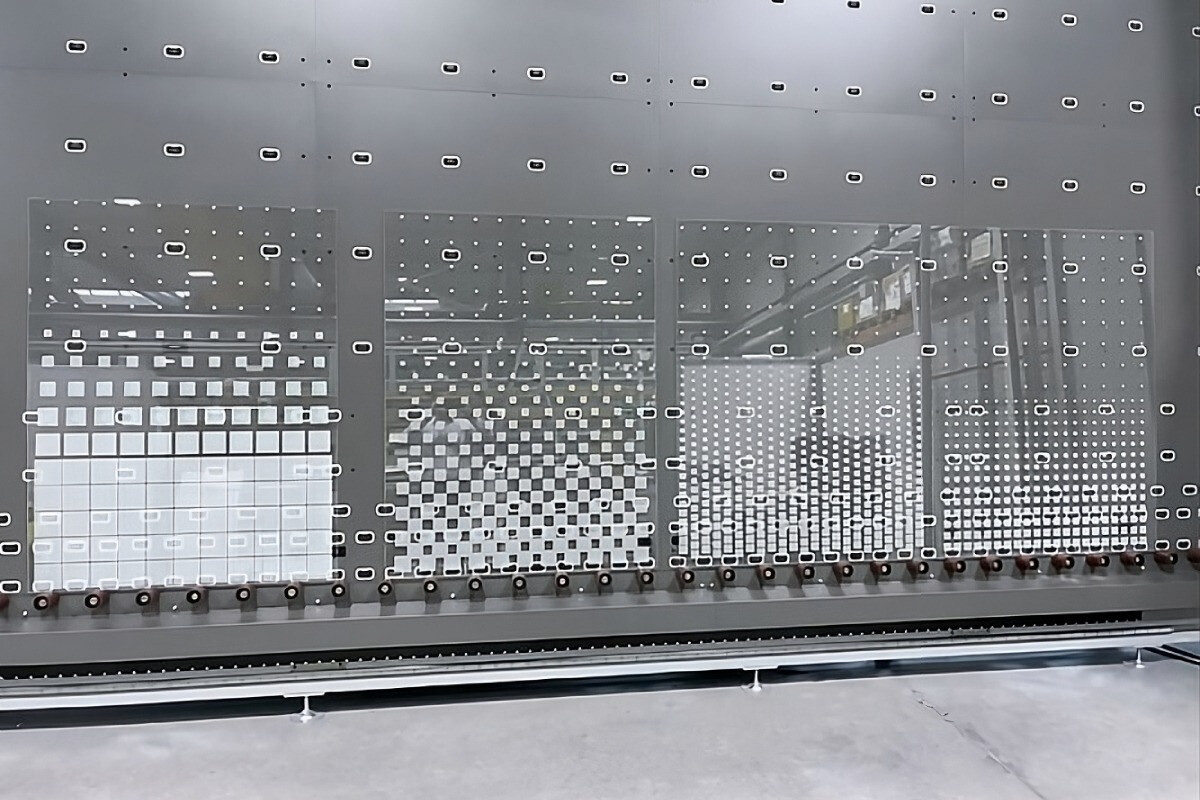
Photo: LiSEC
LiSEC LSP-A combines two laser sources and processes glass without additives or consumables
LiSEC to showcase LSP-A laser system for two different types of glass processing at glasstec 2026

ID no: 24430

Sep 15, 2026

Sep 22, 2026