Fourteen German associations and institutions from the construction and window industries have called on Federal Minister for Housing, Urban Development and Building Verena Hubertz not to support the European Commission’s current draft standardisation request in September. The industry organisations are calling for a fundamental review of the document before it becomes the basis for European standards for construction products. This is stated in a joint letter from the associations, reported on 13 August 2026 by the German Window and Facade Association Verband Fenster + Fassade (VFF).
The standardisation request will determine which characteristics and supporting evidence manufacturers must provide for construction products under the new Regulation (EU) 2024/3110. According to VFF, the current draft would require significantly more technical data for windows and doors, additional testing, information on substances and environmental impacts, as well as new digital documentation.
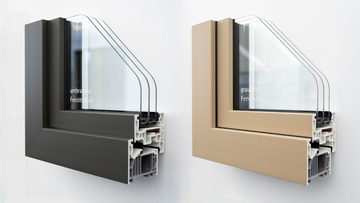
The associations draw attention to the specific nature of windows and doors. Manufacturers predominantly produce them to individual specifications. A change in size, glazing, frame, hardware or configuration creates a new product variant. Consequently, the requirement to prepare an extensive set of documents for each variant significantly increases the workload. According to the industry’s estimate, the documentation for the windows of a single-family home could increase from a few pages to an entire folder of documents.
Additional administrative staff, external testing, new IT systems and the ongoing management of large volumes of data will entail additional costs. According to an industry estimate, products could become up to 15% more expensive depending on their complexity, the number of variants and the structure of the company. The associations expect these costs ultimately to be borne by building clients, investors, buyers and tenants.
“Anyone who wants to cut bureaucracy, stimulate housing construction and accelerate renovation should not create new mountains of paperwork. Clients get more paperwork, but not a better window — and they will still have to pay the resulting costs. What is needed now, therefore, is a German ‘no’, followed by a practical approach,” said Frank Lange, Managing Director of Verband Fenster + Fassade.
In their joint appeal, the associations propose requiring only product data that are genuinely necessary. They also call for established calculation and software-based methods to be retained instead of repeated, costly external testing, and for data on substances and emissions not to be duplicated. For made-to-order products and small and medium-sized enterprises, the organisations propose that the principle of proportionality be specifically taken into account. In their view, digital product passports should be introduced once the appropriate legal and technical infrastructure is in place.
The associations emphasise that they are not opposed to harmonised European rules. They want the requirements to be reviewed so that companies can comply with them in practice without disproportionate administrative burdens or further increases in construction costs.
European industry associations have previously also called for a review of the new Construction Products Regulation (EU) 2024/3110. For Ukraine, the issue has additional significance because of the further harmonisation of national legislation with the new EU regulation.
See also: Ukraine to update construction products law to align with EU Regulation 2024/3110 in the first stage
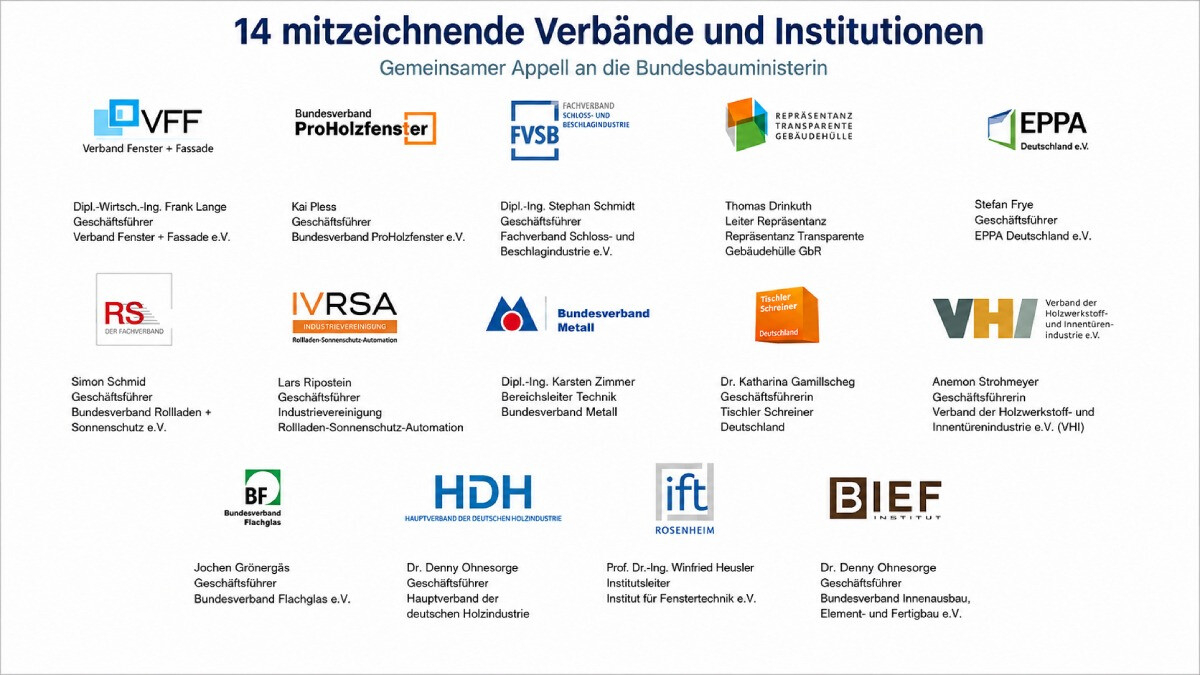
German associations call for a fundamental review of the current version of the Construction Products Regulation (EU) 2024/3110
ID no: 24432



Sep 22, 2026
Sep 15, 2026